502 / 503 / 504

It feels like there is no way to leave this awful Waiting Place.

The country was notified that four bodies would be released on Thursday – Shiri Bibas and her children, baby Kfir and toddler Ariel, and 84-year-old Oded Lifshitz.

Yarden, Shiri’s husband and father to Kfir and Ariel, was released a few weeks ago after having suffered in Gaza for 484 days wondering if his family was alive. Yocheved, Oded’s wife, had been released in November 2023 and waited to hear news of her husband. Along with the Bibas and Lifshitz families, we waited for the return of these innocents so they could have a dignified burial.*

Waiting by a window
Image by Kirill from Pixabay

The country waited as the coffins passed through the cynical and horrible “ceremony” orchestrated by Hamas to transfer the bodies to the Red Cross, who signed for them in another ridiculous “ceremony,” to finally transfer these innocents to the IDF to bring them home.

The propaganda-covered coffins had to be checked first for explosives. The coffins were locked, and the keys provided did not open the locks. Along with the bodies, Hamas stuffed the coffins with more propaganda material.

And then we waited for DNA confirmation. Oded was confirmed. The children were confirmed. But the person in the fourth coffin was not Shiri.

IT WAS NOT HER.

For a moment, I wondered if there was any hope that she could be alive by some miracle. Then the country held its collective breath – could this be a big enough breach of protocol to shatter the ceasefire? What about the six live hostages that were to come out on Saturday?

And so we waited.

As we were waiting and wondering, three bus bombs went off in Bat Yam, and only by some kind of divine intervention, no one was killed or injured. Two unexploded bombs were also found. And now we are also waiting and wondering if we have to prepare for a wave of terror.

Strangely, we did not have to wait long for a new body to be delivered (you have to shudder at the cold-blooded pretense that the earlier delivery of another body was just a “mistake”). It was quickly identified as Shiri.

And what about Saturday’s transfer? What about the storm and the potential for snow? We count hours and then minutes.

As of this writing, all six have been returned. Four had been taken on October 7; the other two have been held for around a decade in separate incidents.

Next week, four more bodies will be returned, which completes the first stage of the ceasefire. This will leave 59 hostages in Gaza, 32 of them are likely dead.

And then we wait again. Will the second stage of the ceasefire go forward? Will Hamas release all the hostages at once? Or in our hope for peace, do we prepare for war again?

The Waiting Place is awful for all of us, but it is sheer hell for the hostages and their families. In the limbo between Hope and Devastation, we cannot move forward. May we find our way out soon and find the strength to heal.

*This is not the place for gory details of the horrors of their captivity and execution. There are others who bear witness and carry the burden of the awful details.

5 things that happened in Israel recently that maybe you didn’t hear about

  1. Guatemala opened its embassy in Jerusalem
  2. Paraguay opened its embassy in Jerusalem
    Hardly a blip on the international radar. I wonder why that is.thinker-28741_1280
  3. Argentina canceled its pre-World Cup friendly match in Jerusalem. This one is complicated because there are unconfirmed stories everywhere. There seems to be agreement that protesters were encouraged to wave Messi jerseys smeared with fake blood. It’s been said that Messi and his family were threatened. Some are reporting that the cancellation is because the game was moved from Haifa to Jerusalem. The BBC, linked here, says it’s because of the Gaza violence (which no one has said except the BBC).
  4. Speaking of Gaza, I haven’t seen very much about Hamas’s incendiary kites. These are not the Mary Poppins version of “Let’s Go Fly a Kite”; these are kites flown over the border to cause fires. So far a nature reserve has been damaged and 6,200 acres of agricultural land has been destroyed. (One wonders why somebody who wants to move back into a house he says is his would set it on fire.)
  5. But I’m gonna end on a high note. A quarter of a million people (250,000) came to Tel Aviv to participate in the 20th annual Gay Pride March. It’s one of the largest marches in the world. Jews, Arabs, Israelis, and foreigners. Even the British Embassy had a float – the only diplomatic mission participating in the parade! See video here, more pictures here.

There may be those who would say that Tel Aviv is cold-hearted for celebrating Gay Pride while there’s violence in Gaza and fields are on fire in the south.

I say screw ‘em: In Israel, we value life and we celebrate it at every opportunity. As human beings we have a right to laugh, to love, and to be joyful. But more than that, we have a right to live, to exist. We will not be broken by fear or swirl into the abyss of sorrow.

The glass, my friends, is half full!

It wouldn’t be Gay Pride without Rosalind Russell as Auntie Mame reminding us that life is a banquet and most poor suckers are starving to death.

Disengagement revisited

Given everything that’s happening on the Gaza border, it was an interesting coincidence that I had the opportunity to go to the Nitzan Visitors’ Center for the Heritage of Gush Katif , which tells the story of Israeli settlement in the Gaza Strip up to the Disengagement of 2005.

IMG_20180525_101758

My first thought was “what’s the difference between the people here and the Palestinians with their keys to homes that they had to leave in 1948?” It’s a very superficial comparison: both yearn to go back to the homes they lost, both hold on to the beautiful memories of times gone by, both are sad about their situations today, both believe that they will return. But after this visit, I realized that this superficial comparison is just wrong.

The people of Gush Katif are true believers. They believe in the idea of Israel. They took their beliefs and starting in 1970 built thriving, economically self-sufficient communities where previously there had only been sand dunes. The communities began among the Arab communities, not fortresses against the Arab tide in Gaza. They built friendships; Arabs and Jews worked together. It was surely not a perfect idyll. But it worked. With the first Intifada (1987–1993), this cooperation started to crumble.

In 2004, the Israeli government voted to remove the communities from the Gaza Strip. The residents did everything they could to try to stop it: they reached out to every Knesset member they could, they protested, they started a movement. One monumental event was a human chain of 100,000 people stretching from Gush Katif to the Western Wall (56 miles) and together at 6pm on that day they sang HaTikvah. The residents were offered incentives to leave on their own, but they simply could not, would not, believe that they would be forcibly removed from their homes.

And then they were.

I remember when it happened. Watching it on TV, I felt like I could hear the fabric of Israeli society tearing. The army was ordered to physically take people out of their homes as respectfully as possible. The residents felt like pioneers who built communities from nothing and the government that encouraged them to do it was now destroying everything they had built. The worst moments were when the soldiers cried. They were under orders and did their jobs. In some cases, they sat with residents, hugged them and cried with them. So many apologized. And it was terrible to see and worse to experience. Angry residents cursed the soldiers. But many understood that the soldiers were enforcing the will of the government that the residents believed in as the government of Israel, even if they wholeheartedly disagreed.

TearsSource

The how and the why are completely different when you compare the residents of Gush Katif and the Palestinians. But I worried that the residents of Gush Katif would live within a victim mentality and pass it on to their children. But they haven’t. Many stayed together and did their best to rebuild in a different location. Their faith was shaken, but unbroken. They stayed in Israel and still support and believe in Israel. Some of the kids declared that they would never serve in the IDF, and yet almost all have gone to the army and serve willingly.

And did the Disengagement bring peace and stability? The short answer is no. More than 12,000 rockets were fired on communities near the Gaza Strip. Hamas was elected in 2006, executed the opposition, and have not had a real election since then.  The Gaza Strip is under blockade, but whatever does get through is used for tunnel digging and rocket making against Israel and little is used for the people of Gaza. The greenhouses that the Gush Katif residents left intact for use by Gaza residents for their own livelihood were destroyed. (A good summary of the last 20 years can be found here.)

On the border of the Gaza Strip today, the “march” is supposed to be for the right of return. By Hamas and Fatah’s definition, that means all of the land with no Jews in it. The return that the residents of Gush Katif hope for is when the government of Israel will take back ownership of the Gaza Strip and they can go back to the days when they lived in harmony with their neighbors.

I like the dream of Gush Katif better.

I wanted to write about Eurovision, but this week (shakes head)

  • Israel won Eurovision with a goofy song and it’s a BIG DEAL
  • Jerusalem Day happened and I didn’t notice this year
  • The United States opened its embassy in Jerusalem and it’s a BIG DEAL
  • Beitar Jerusalem changed its name to Beitar “Trump” Jerusalem and that’s just DUMB
  • The violence on the Gaza border erupted and it’s a BIG DEAL
  • Guatemala opened its embassy in Jerusalem and nobody noticed
  • The Nakba was commemorated by the Palestinians and people mostly outside Israel noticed
  • Ramadan started on Thursday
  • Shavuot will be celebrated on Sunday

Like I said, I really wanted to write about Eurovision. People in the US have never heard of it, but I’m sure everyone has heard of ABBA, winners of the contest in the 1970s. For Israel, it’s a big deal. It brings us into the family of nations. Israel competing in European contests links us to Europe (Eurovision, European Champions League [soccer/football], European Championship [basketball]). Winning a competition means that the next finals competition will take place in the winner’s country and, for Israel, that means recognition and a chance to win over the Europeans to show them that Israel is not the vicious colonial oppressor perpetrating genocidal mania.

There is a lot of pride in Israel that we won and I so much wanted to like the song. To be honest, meh. It sounds dumb: “I’m not your toy, you stupid boy!” And chicken noises? I tell myself that it’s similar to beatboxing. But the message is strong and I’m glad that the winner, Netta Barzilai, is such a unique and amazing person. I saw this and I think it’s worth sharing. Take the two minutes:

Netta

Source: http://www.bbc.com/news/av/entertainment-arts-44073911/netta-meet-eurovision-2018-s-metoo-voice

(Seriously, I could watch this video over and over. I love her!)

Fun fact: The last time Israel won Eurovision was in 1998 with a song called “Diva” sung by transgender artist Dana International.

This great achievement was overshadowed by the US embassy opening the day after Jerusalem Day. We had a lot of big names and it was very political. Most people I know were more concerned about not getting stuck in traffic.

Israel states very clearly that Jerusalem is the undivided eternal capital of the Jewish people. Even during the 19 years Jerusalem was divided, Israel yearned to unify it. The US moving its embassy to finally officially recognize the capital is important and more countries are moving to do the same. I’m glad about it, of course. Still, I’m left with the question: Why move it now? It’s a feather for Trump’s cap in the sense that he kept a campaign promise (though it’s actually a promise to another country). But I’m not sure what it does for the big picture in the Middle East. I’m not an analyst, so I’ll let you research it on your own. I haven’t found a good answer yet.

All of that was overshadowed by the violence in Gaza. Some media is reporting that the riots are because of the embassy move, but that’s not entirely true. It’s a convenient coincidence. Some foreign media are reporting it as peaceful protesters getting mowed down by oppressive military forces and that’s not true at all. It’s a short blog post and you can do your own research, but I will leave you with a few thoughts.

  1. The “protest” started on March 30 as The Great March of Return set to culminate on Nakba Day (May 15). The plan seemed to be to breach the fence, burn down border crossings where humanitarian aid comes through, burn tires, throw rocks, and plant explosive devices along the border. The Molotov cocktails are not for sipping poolside and bonus points apparently awarded for cutting people’s hearts out with cleavers. Source.
    hearts
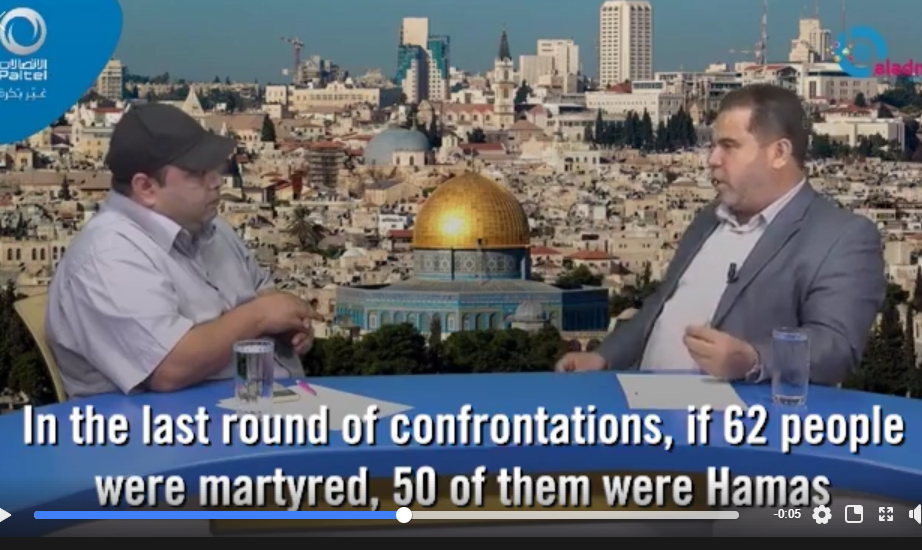
  2. Salah Al-Bardawi tells an interviewer on Arabic TV
    Hamas members.PNG
    Source.
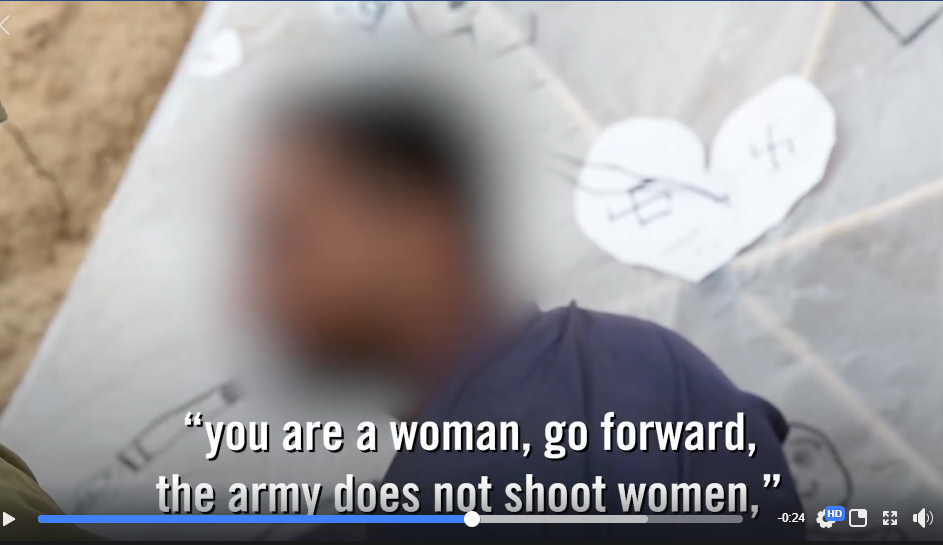
  3. A “protester” arrested at the border has had enough (of Hamas) and tells the truth
    womanchildren
    Source.

Israel is not always right and it’s definitely okay to criticize actions taken by the government. The job of the army is to defend the citizens of Israel (aka their families) and that is exactly what the IDF is doing in Gaza right now.

Honestly, I wish I could have just written about Eurovision.